

Dance is a universal language that weaves through life stages, impacting physical health, mental well-being, and cognitive development. It influences early development, offers therapeutic benefits, and affects brain plasticity and memory. Dance also protects mental acuity, enhances emotional well-being, and contributes to inhibition and personal development. This transformative power invites us to celebrate life’s profound…
In the intricate tapestry of human existence, dance emerges as more than a mere physical activity—it becomes a profound expression that intertwines with our development from cradle to adulthood. From the soothing sway that lulls a crying baby to the therapeutic rituals rooted in ancient traditions, dance shapes our growth and offers healing in unexpected ways.
Rhythmic Beginnings: From Infancy to Cultural Traditions
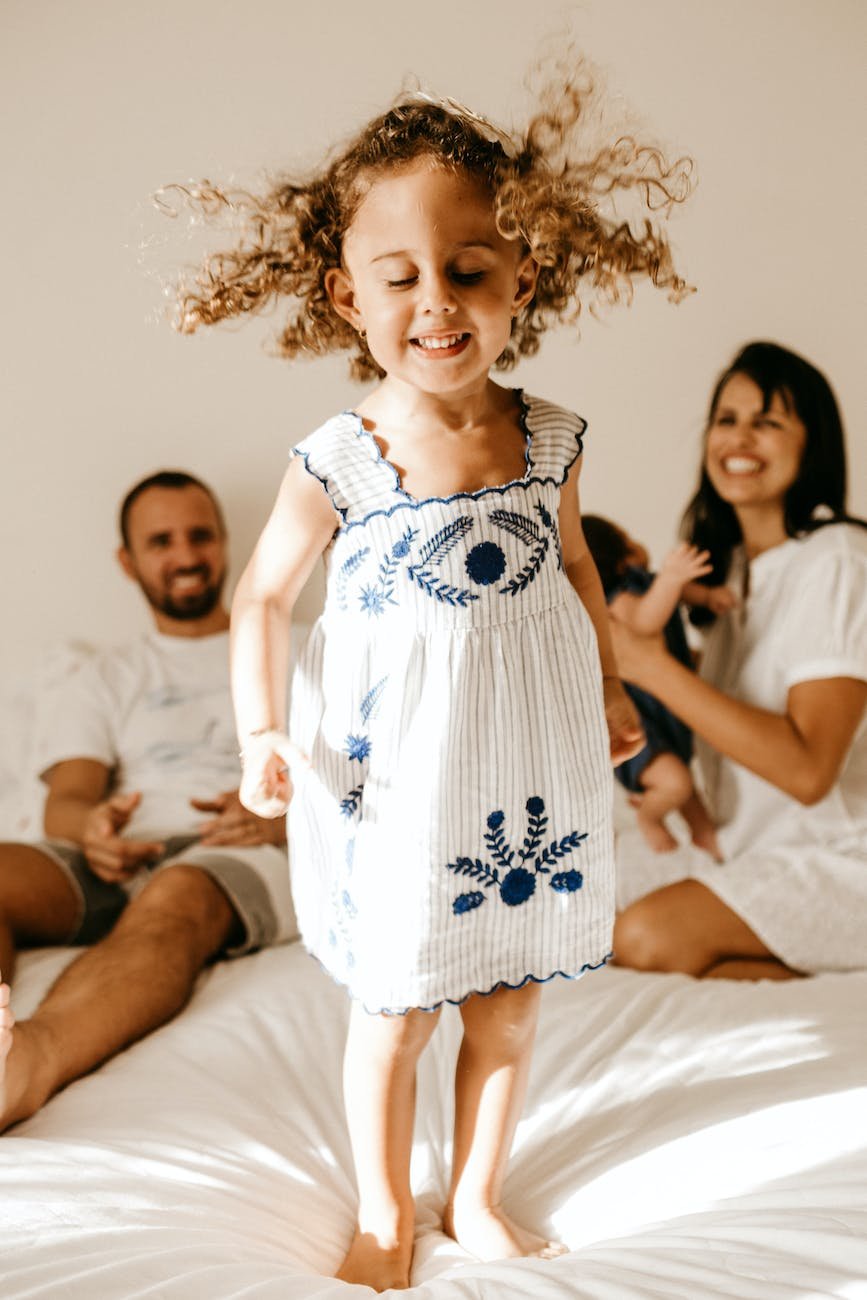
In the early stages of life, the sway of a parent’s arms becomes a dance that soothes a crying baby to sleep, and as toddlers take their first steps, they embark on a journey of spontaneous movements animated by the rhythm of life. As we transition through different life stages, dance evolves with us, from the infectious energy of The Wiggles captivating primary school kids to the adolescent exploration of self-expression through social dance and viral TikTok videos.
A remarkable example of dance’s therapeutic potential comes from a modified version of a Congolese Zebola ceremony. Participants with chronic illnesses reported various benefits, including increased exercise tolerance, stress reduction, a sense of group support, and transformative spiritual experiences.
Dance in Education: Ancient Wisdom and Modern Research
Delving into the annals of history, we find that the Ancient Greeks believed in the importance of dance in personality development, integrating it into the core of their educational programs. Inspired by this ancient wisdom, a group of contemporary Greek researchers explored dance’s role in children’s psychophysiological development. Their findings reveal that dance serves as a non-verbal form of communication, fostering the development of social skills and enhancing the integration of body-mind connections.
The therapeutic potential of dance extends to children with learning difficulties and emotional problems. Dance therapy emerges as an effective intervention, improving motor control, self-esteem, emotional expression, relaxation, and social interaction among young individuals. Beyond childhood, the physical benefits of dance are documented in adolescents, reducing injuries in young athletes and positively impacting heart disease, diabetes, obesity, and the side effects of chemotherapy.
Dance and the Brain: A Symphony of Connectivity
The brain and body, a complex system likened to an intricate choreography of mechanical, electrical, and chemical communication, find a fascinating intersection with dance. “Thinking with the Dancing Brain: Embodying Neuroscience” by Minton and Faber offers a comprehensive exploration of this intersection, presenting practical exercises for dance practitioners and educators.
Advancements in brain imaging technology provide a closer look at how the brain responds at a cellular level to experiences. Once thought impossible in adults, neurogenesis is the growth of neurons in certain brain areas, including the hippocampus, associated with memory and learning. Exercise, including the rhythmic movements of dance, is found to enhance neurogenesis, offering potential benefits for conditions like Alzheimer’s, Schizophrenia, Parkinson’s, depression, anxiety, and insomnia.
Dance and Mental Acuity: A Lifelong Partnership
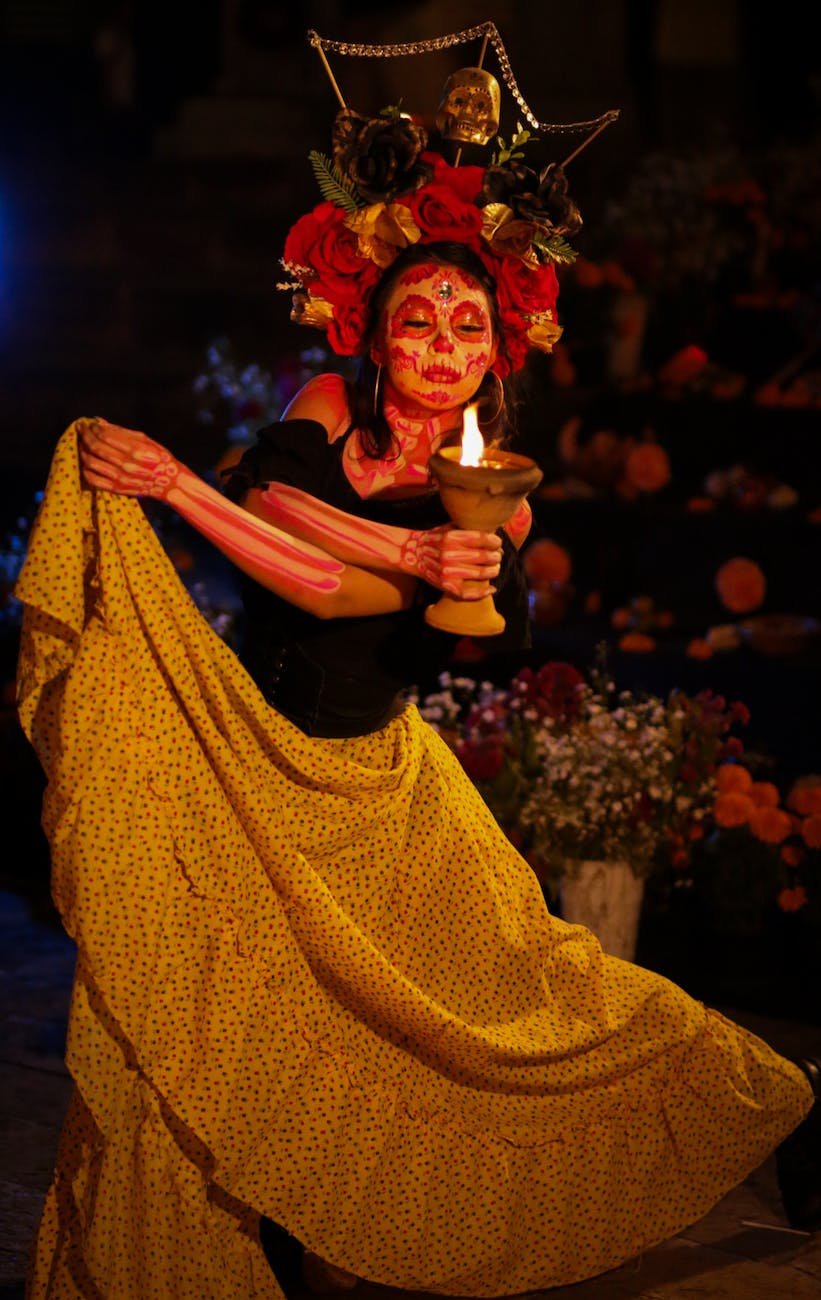
Claims about the cognitive benefits of dance find support in studies of aging populations and dementia rates. A 21-year study tracking dementia rates in individuals over the age of seventy-five revealed that frequent dancing was the greatest protective factor among leisure activities. Street dance skills in youth and social dancing or niche interests like tango in adulthood contribute to maintaining cognitive function.
Brain Plasticity and Mastery Through Movement
The brain’s adaptability, called neuroplasticity, is likened to an intricate dance. Rehearsal of specific movements strengthens neural connections, with myelination insulating these pathways for more refined and efficient signalling. Adolescence, marked by increased myelination and pruning of lesser-used neural branches, underlines the importance of maintaining and exploring activities to preserve neural pathways.
A study of ballet dancers in 2016 illuminated the brain’s response to learning new choreography. Brain activity was more pronounced during visualisation in the initial weeks of rehearsal, suggesting a transition from explicit to implicit memory. Mastery over intricate movements, observed in novice students struggling and then suddenly grasping a dance technique, reflects the encoding of new learning into long-term memory.
The Power of Visualisation and Inhibition in Dance Mastery
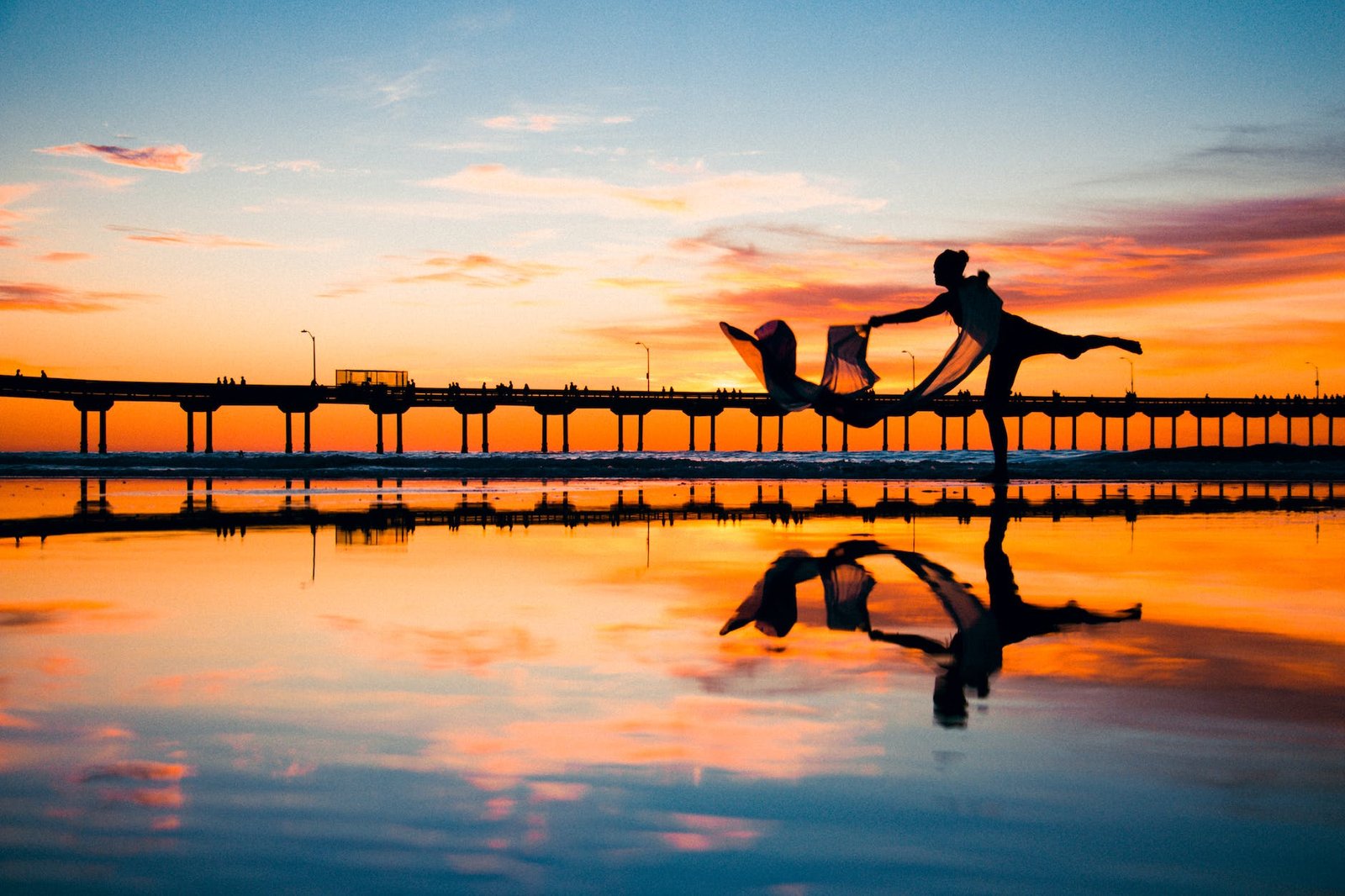
Beyond the physical practice, the mental aspect of dance plays a crucial role. Visualisation, a form of mental rehearsal, contributes significantly to performance. Athletes extensively use this technique, and dancers, too, can benefit from walking through routines mentally as part of their rehearsal process.
Inhibition is a vital aspect of brain development. The human brain matures from the back to the front for the first 25 to 30 years of life. The frontal lobes act as brakes, preventing impulsive actions and movements. Over time and with practice, the dance becomes seemingly effortless. The corpus callosum, the neural bridge between the brain’s right and left hemispheres, is pivotal in maintaining clear signals and facilitating precise dance movements.
Emotions in Motion: Dance as Emotional Release and Therapy
Emotions find a home in the body, and dance serves as a powerful outlet for emotional expression and release. Observations in nursing homes, where dance therapy reduced depressive symptoms among residents, highlight the emotional benefits of dance. Studies comparing tango dance with meditation and circuit training show greater decreases in stress, anxiety, depression, and insomnia in the tango group, emphasising the therapeutic potential of dance.
The Journey of Competence and Flow in Dance
The dance journey is often akin to a four-stage competence model developed in the 1970s by Noel Burch (Gordon Training International). Starting with unconscious incompetence, where one may think they can dance without realising their lack of skill, the journey progresses through conscious incompetence, when one realises how much they have yet to learn; conscious competence is when the dancer recognises and has developed a high degree of skill; and finally, unconscious competence when the dancer has mastery that is beyond their conscious recognition and transcends dancer and audience beyond this Earthly realm. Each stage mirrors personal development and skill acquisition.
In the pursuit of mastery, inhibiting old movement patterns to make way for new ones becomes a dance of its own. It involves a nuanced interplay of memory formation, recall, suppression of bodily memory, and the creation or erasure of chemical pathways in the brain. The brain’s ability to adapt continues throughout life, offering a dynamic canvas for self-transformation.
Dance Beyond Boundaries
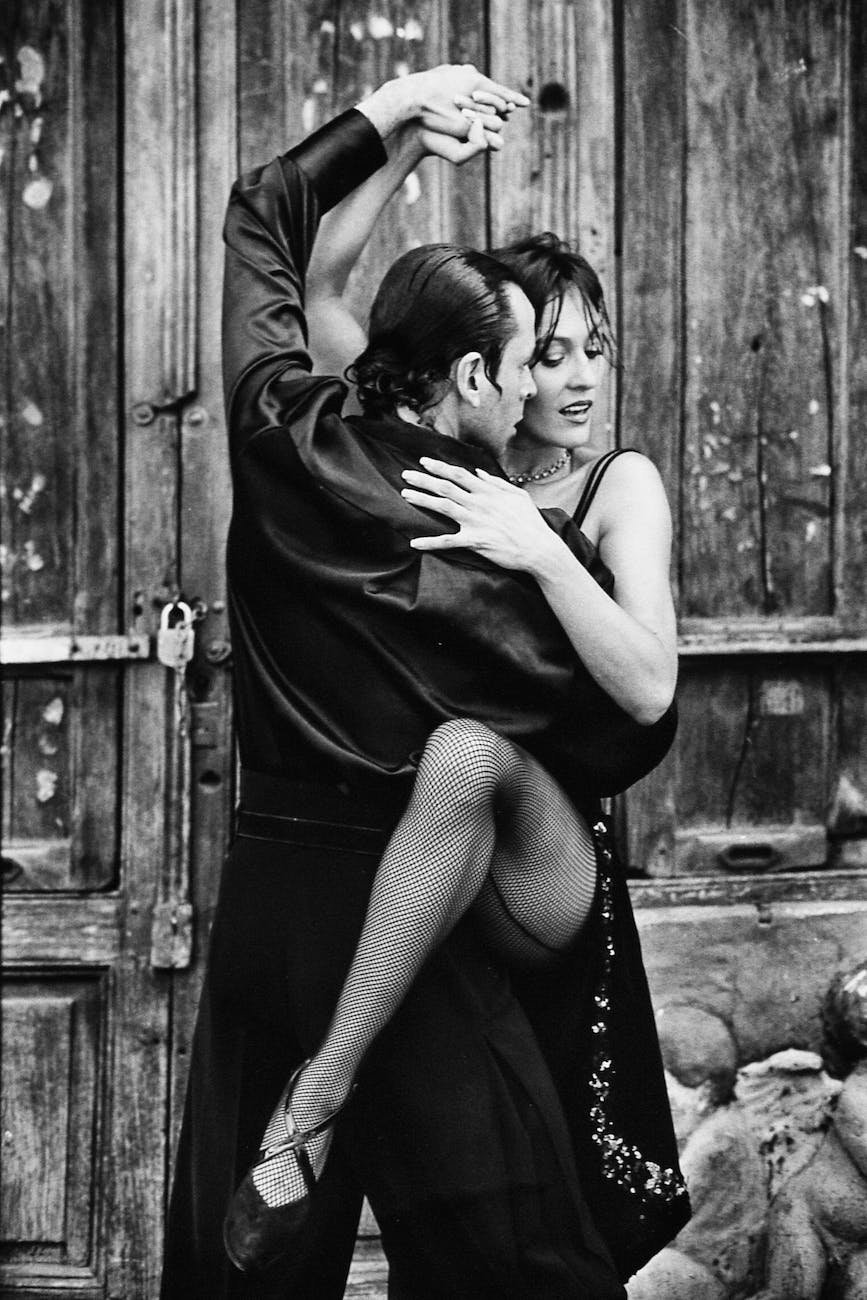
As we wrap up this exploration of dance’s impact on the human experience, it’s clear that dance transcends boundaries. From its roots in infancy to its therapeutic and cognitive benefits throughout life, dance is a profound language that connects the body, brain, and mind. It’s not just a physical activity; it’s a journey of self-discovery, emotional expression, and cognitive exploration.
So, whether you find solace in the rhythmic sway of a lullaby or lose yourself in the intricate steps of a dance routine, remember that dance is more than movement—it’s a celebration of the intricate choreography that defines our existence. Lace-up those dancing shoes, embrace the rhythm, and let the dance unfold—a timeless journey transcending body and mind’s limitations.
About the author
Discover your world
of dance with us
What is Dance Alchemy?
Dance Alchemy is a practice of embodied transformation of heavy emotional energy into elevated emotions through movement, breath, meditation and social connection. Dance Alchemy intends to promote healing, inspiration and well-being for individuals and groups.
Thursday night Dance Alchemy classes at Carss Park NSW
Time: Thursdays, 7 pm to 8 pm
Dates: Weekly from 11th of January to 29th of February 2024 (excluding 25th of January)
Teacher: Popi Iatrou (Psychologist, dance and yoga teacher)
Address: 103 Carwar Ave, Carss Park NSW 2221
For Bookings and enquiries
4-week passes available for $90 – valid until the end of 2024
$25 casual class.?Children 12 years and under are free.
Please get in touch with Popi at info@samplesite.fairgoweb.com
What to bring: Yoga Mat. Wear loose and comfortable clothing.


Leave a Reply